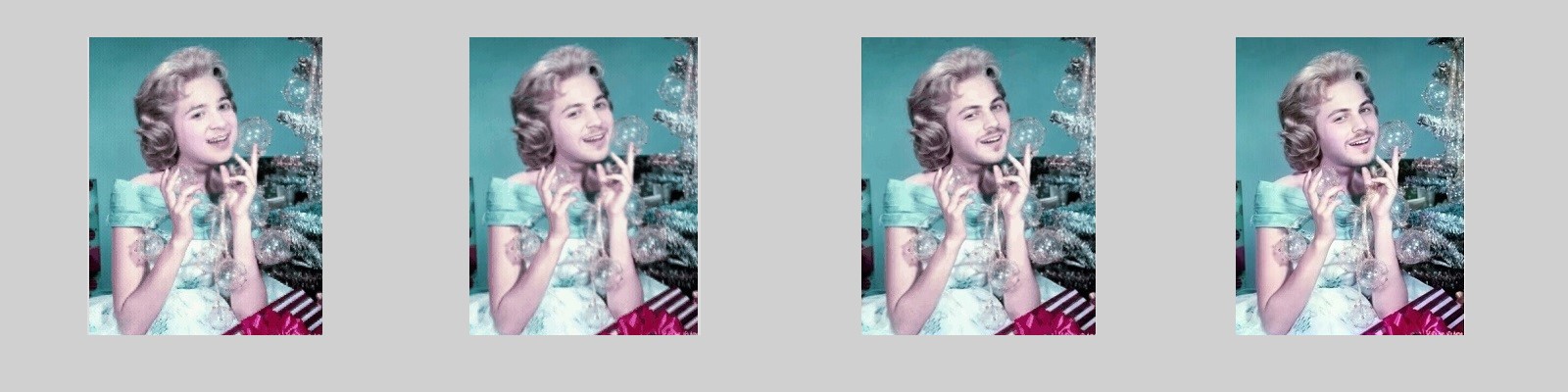
The Poison Apple
The monitors hummed softly in Room 417, a steady electronic breathing that echoed the shallow rise and fall of the man asleep in the bed. His name was Thomas Hale.
He looked smaller than he used to, his broad shoulders slack beneath the thin hospital sheet, his hands-once rough and scarred from years of physical work-now pale and motionless. A faint scent of antiseptic clung to the air, but beneath it lingered something sweeter, almost floral, the trace of the apple he had eaten only hours before.
Dr. Elliot Kessler stood near the window, clipboard tucked under his arm. Across from him sat Margaret Hale, Thomas’s wife of twenty-three years, her coat folded neatly on her lap, her fingers twisted tightly together.
“He hasn’t woken at all?” she asked, her voice low, as if afraid to disturb him.
Dr. Kessler shook his head. “No response since he fell asleep. The poison wasn’t lethal-at least, not in the usual sense. But it’s… selective.”
Margaret frowned. “Selective?”
The doctor hesitated, then sighed. “Mrs. Hale, what I’m about to tell you isn’t something you’ll find in medical textbooks. It’s older than medicine. Older than hospitals.”
She stiffened. “Just tell me.”
Dr. Kessler glanced at Thomas, then back to her. “The apple he ate matches descriptions from several legends. Folklore, really. Enchanted poison. It induces a sleep that cannot be broken by drugs or time alone-at least not quickly. There is only one known cure.”
Margaret swallowed. “And that is?”
“He must be dressed in very specific attire,” the doctor said carefully. “A light blue, shimmering silk dress. Bell sleeves. A fitted bodice, a flowing skirt, delicate detailing throughout. Ballet shoes. And a golden tiara.”
Margaret stared at him, certain she had misheard.
“A dress,” she repeated.
“Yes,” Dr. Kessler said. “And then… he must be kissed by a Prince.”
Silence flooded the room.
Margaret let out a short, incredulous laugh that quickly dissolved into something closer to a sob. “You’re telling me my husband is lying there because of a fairy tale?”
“I’m telling you,” Dr. Kessler replied gently, “that fairy tales are sometimes just badly labeled case studies.”
She looked at Thomas again. At the man who used to split firewood before breakfast, who smelled of engine oil and cedar, who laughed too loudly and held her like she might drift away if he loosened his grip.
“And if this… cure works?” she asked.
Dr. Kessler’s expression tightened. “He will wake up.”
Relief surged through her-until he continued.
“But he will not wake up as the same person.”
Margaret’s breath caught. “What do you mean?”
“The transformation is complete,” the doctor said. “His body will change. He will become a young woman. Physically delicate. Long golden blond hair. Soft features. A different center of gravity, a different way of moving through the world.”
Margaret’s heart pounded. “And his mind?”
“He will remember his life,” Dr. Kessler said. “He will remember you. But he won’t feel like a man who remembers being married to a woman. He will feel like a princess who remembers a past life. His emotions, his instincts, even his romantic inclinations will shift. He will feel drawn to charming gentlemen.”
Margaret pressed a hand to her mouth.
“Will he love me?” she whispered.
Dr. Kessler chose his words with care. “He will care for you. Trust you. Possibly adore you. But it will be different. More like the bond between closest companions than husband and wife.”